OEM vs ODM Shoes: Which Manufacturing Model Is Right for Your Footwear Brand?
If you are planning to launch a footwear brand or expand an existing shoe collection, choosing between OEM and ODM manufacturing is one of your first important sourcing decisions.
Both models can help businesses develop branded footwear, but they differ in product development, design ownership, customization, and cost structure.
Understanding these differences helps importers, footwear brands, and distributors communicate more effectively with suppliers and avoid unnecessary development expenses.
What Is OEM Shoe Manufacturing?
OEM stands for Original Equipment Manufacturer.
In a typical OEM footwear project, the buyer provides a design or detailed technical specifications, and the manufacturing partner produces shoes according to those requirements.
An OEM project may include:
- Custom upper patterns and construction
- Specific material combinations
- Unique color schemes
- Custom outsole designs
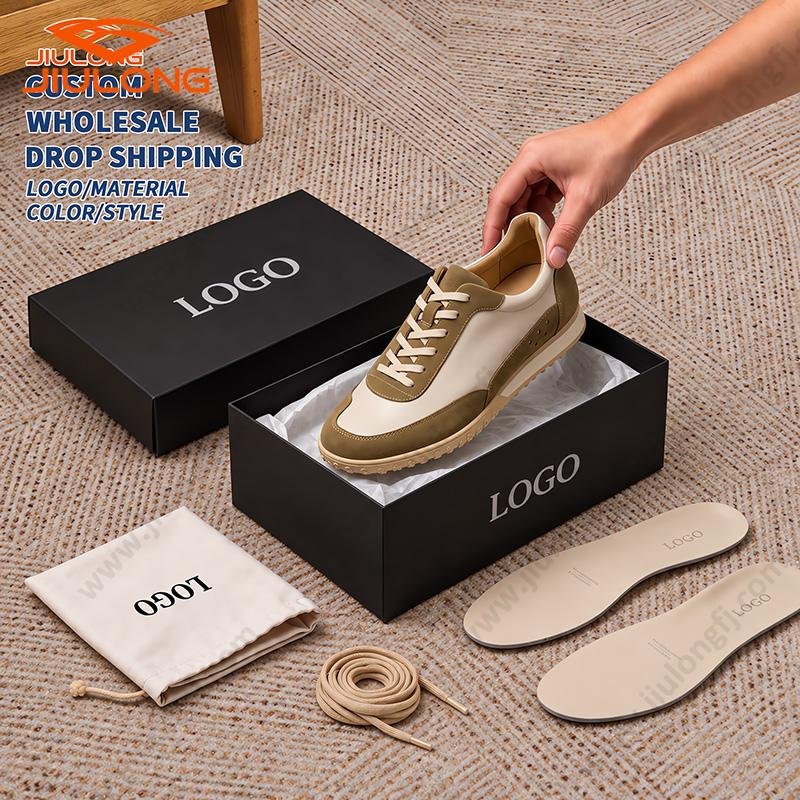
- Branded insoles, tongues, and labels
- Custom shoe boxes and packaging
OEM manufacturing is particularly suitable for established footwear brands, product developers, and businesses that require greater control over the final product.
However, developing unique components may require additional sampling, tooling, and testing.
What Is ODM Shoe Manufacturing?
ODM stands for Original Design Manufacturer.
In an ODM project, the supplier provides an existing design or development platform that a buyer can select and adapt.
Depending on the supplier’s capabilities, customization may include colors, materials, logos, selected design details, and packaging.
ODM is often attractive to businesses that want to introduce a footwear collection without developing every technical component independently.
For example, a new sneaker brand may select an available casual shoe construction and customize its appearance to suit the brand’s identity.
However, buyers should confirm design rights, exclusivity, and permitted modifications before approving a project.
OEM vs ODM Shoes: Key Differences
| Factor | OEM Shoes | ODM Shoes |
| Design starting point | Buyer specifications | Supplier design or platform |
| Product customization | Potentially extensive | Based on available options |
| Development requirements | Often higher | Often lower |
| Tooling needs | May require new tooling | Existing tooling may be usable |
| Sampling complexity | Depends on new design | Depends on modifications |
| Design rights | Must be contractually defined | Must be contractually defined |
| Best suited for | Differentiated product development | Faster collection development |
Neither model is automatically cheaper or faster in every situation. The outcome depends on the shoe category, technical specifications, materials, and supplier arrangements.
When Should You Choose OEM Shoes?
OEM may be the better option if your brand requires a distinctive product.
For example, a performance running shoe brand might specify a particular midsole geometry, upper construction, outsole pattern, and fit profile.
In this situation, the supplier must evaluate the technical feasibility of the proposed design.
OEM can also be suitable when a buyer already has a complete tech pack, physical reference sample, or established product specifications.
Before beginning development, clarify who owns any newly developed molds, patterns, artwork, and other intellectual property.
When Should You Choose ODM Shoes?
ODM may be suitable when your priority is developing a commercially viable branded collection using established product platforms.
A new footwear business could start with an available sneaker design and focus on brand identity, packaging, and distribution.
This approach can reduce some development complexity, although material changes and customization may still require sampling and additional costs.
ODM buyers should review the available design options carefully and confirm whether similar products can be supplied to other customers.
How Does MOQ Differ Between OEM and ODM?
Minimum order quantity depends on the specific manufacturing arrangement.
An OEM project using newly developed materials or components may have different quantity requirements from an ODM project using existing production resources.
However, ODM does not automatically mean a low MOQ.
Manufacturers may calculate minimum quantities by style, color, material, or other production criteria.
When requesting a quotation, ask your supplier to clarify:
- Minimum quantity per style
- Minimum quantity per color
- Permitted size distribution
- Material purchasing requirements
- Sample development costs
- Tooling and mold charges
- Packaging minimums
For an accurate quotation, provide your expected quantities and customization requirements.
How to Prepare for an OEM or ODM Shoe Project
Step 1: Define Your Target Market
Identify whether your footwear will be sold through retail stores, online marketplaces, independent brand websites, or wholesale distribution channels.
Consider the target customer, retail price positioning, and product category.
Step 2: Choose a Footwear Category
JiuLong’s product range covers categories such as running shoes, basketball shoes, casual sneakers, and other sports footwear.
Start with a category that fits your customers’ needs and your brand positioning.
Step 3: Prepare Design References
If you have a complete technical package, include materials, measurements, construction details, and artwork.
If you are still developing your concept, provide reference images and describe the features you want to achieve.
Only use artwork and designs that you own or have permission to use.
Step 4: Confirm Customization Options
Discuss which elements can be modified, including:
- Upper materials
- Shoe colors
- Outsole options
- Brand logos
- Insoles and labels
- Packaging
Customization availability should be confirmed for the selected model.
Step 5: Evaluate Samples
Check fit, appearance, stitching, bonding, comfort, materials, and branding against your approved specifications.
Request changes before authorizing bulk production.
Step 6: Confirm Production and Shipping Details
Before placing an order, agree on the quantity, unit price, sample approval, payment terms, inspection requirements, shipping terms, and production schedule.
A written specification and approved reference sample help reduce misunderstandings.
Common Mistakes When Sourcing OEM and ODM Shoes
Choosing a supplier based only on unit price. A low price may exclude tooling, packaging, inspection, or other project expenses.
Assuming all designs are exclusive. Design ownership and exclusivity should be confirmed in writing.
Ordering too many styles initially. A focused first collection can make inventory management and product evaluation easier.
Skipping sample approval. Product samples should be evaluated before committing to bulk production.
Providing incomplete specifications. Missing size distributions, artwork, or packaging requirements can delay quotation and production.
Work with JiuLong on Your Footwear Sourcing Project
JiuLong Footwear serves international footwear buyers looking for sports shoes, casual footwear, and customization options.
Whether you are exploring an existing shoe design or planning a more specialized footwear project, our team can discuss your product requirements and available sourcing options.
To receive a project-specific quotation, share:
- Your footwear category
- Design references or tech pack
- Expected order quantity
- Target size range
- Custom branding requirements
- Destination country
- Expected delivery schedule
Frequently Asked Questions
Is OEM better than ODM for a new shoe brand?
It depends on your product strategy. ODM may simplify early product development, while OEM may be more appropriate for brands requiring unique technical specifications.
Can ODM shoes carry my own brand logo?
Branding options may be available, depending on the supplier’s design platform and customization capabilities.
Are OEM shoes always more expensive?
Not necessarily. Development complexity, materials, tooling, order quantities, and production methods determine the total cost.
Who owns the shoe design in OEM manufacturing?
Ownership depends on contracts and applicable intellectual property rights. Confirm design, mold, and artwork ownership before development.
How can I request a custom footwear quotation?
Send your design references, product specifications, expected quantities, branding requirements, and destination market to JiuLong Footwear.
Ready to discuss your footwear project?
Visit JiuLong Footwear and contact our team with your OEM, ODM, or private label requirements.